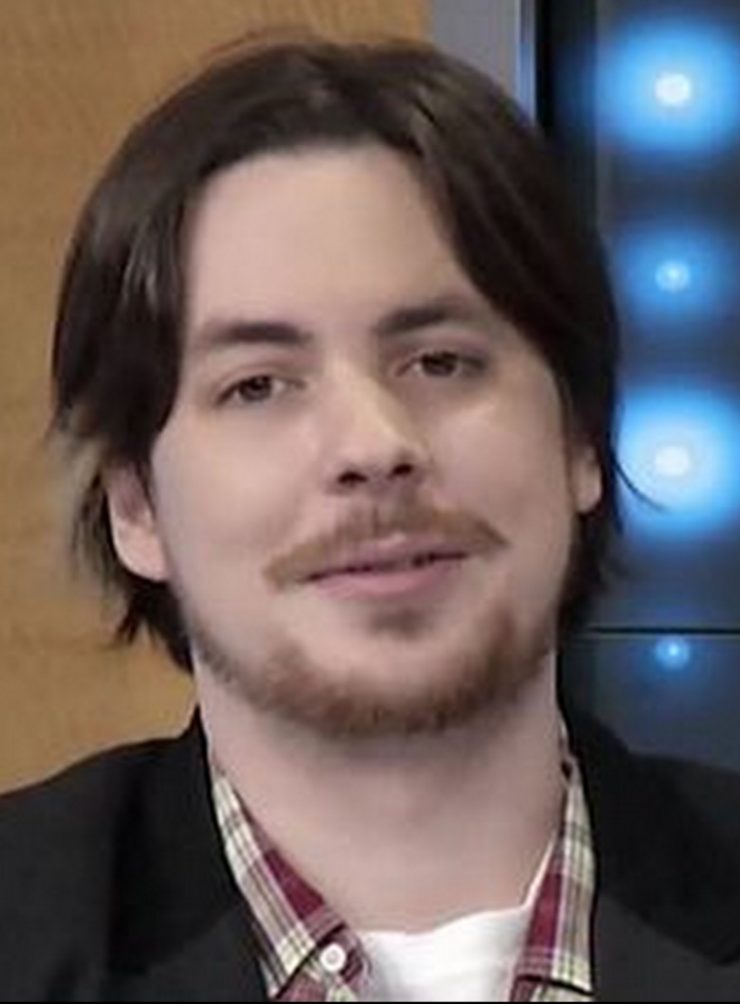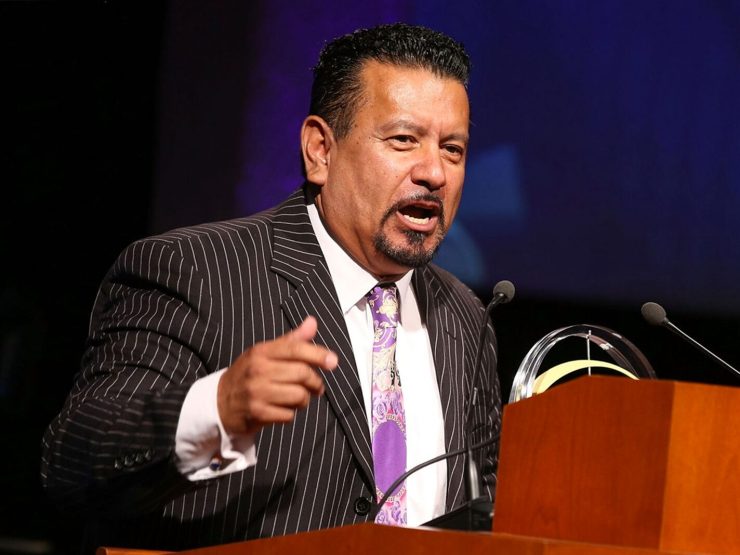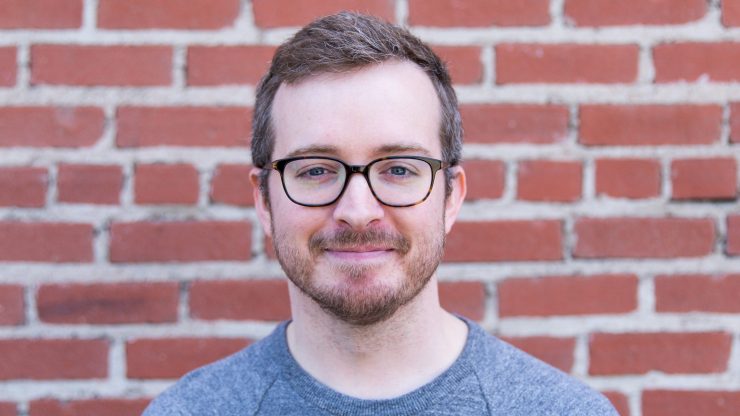
Seattle Mayoral candidate Joe Mallahan at a forum on homelessness Thursday morning.(PostGlobe)
With more living on the streets and budget cuts about to devastate King County’s human services spending, homeless people and advocates wanted to know what Seattle’s next mayor would do.
They didn’t get many specifics from Seattle mayoral candidates Joe Mallahan and Mike McGinn.
Candidates for Seattle City Attorney and the City Council gave more detailed answers at a forum Thursday morning organized by the Seattle-King County Coalition on Homelessness.
But at the forum – one of the few where the candidates have been asked to addressed the poorest in society -- Mallahan and McGinn largely talked about their values. Human services advocates had neither seemed particularly knowledgeable about the issues and the forum didn’t do much to assuage those concerns.
Most striking perhaps was McGinn saying he favored finding a stable place for tent cities like Nickelsville to stay, instead of having to constantly move from location to location.
Mallahan, the T-Mobile executive who has spent $230,000 of his own money on his campaign, has been taking pains to reassure voters that he’s not some rich business guy seeking office.
Seattle mayoral candidate Mike McGinn speaks on homeless issues at a forum on Thursday. (PostGlobe)
On Thursday, Mallahan said, “Make no mistake” that he’d be a mayor for “the rich and the poor.” As he usually does at forums these days, he said that he’d been a community organizer in Chicago, and that while some of his neighbors had a not-in-my-backyard attitude towards the creation of a battered woman’s shelter in his neighborhood, he supported it. Mallahan said that within days after Hurricane Katrina, he’d gone to West Virginia to help set up shelters and at T-Mobile he’d pushed for the creation of a plan to make cell phones available to low-income people
He turned to McGinn at one point and challenged him to say what, in comparison, had he done for the impoverished.
The question was cut off by the moderator, who’d asked the candidates to not talk about their opponent and keep their remarks to their own positions.
Mallahan complained, “It is an election.”
McGinn did respond, however, and said his mother had started an early learning center at a school district in Long Island where he grew up. He said his father directed community services in the school district.
Asked what he’d do to address NIMBYism that makes it difficult for social services agencies to start programs, McGinn said he’d been president of the Greenwood Community Council. And during that time, the neighborhood welcomed the creation of a low-income apartment and wanted more low-income housing built as part of the neighborhood’s new library.
Mallahan said he’d deal with NIMBYism by being a “moral voice” as mayor.
After one housing encampment dubbed itself Nickelsville – in protest of incumbent Mayor Greg Nickels – the candidates were asked what they’d do to avoid having an encampment named in their honor. Mallahan said he’d avoid the creation of a Mallahanville through one word.
“Dignity.”
Mallahan said that growing up in Everett, the children in the neighborhood would run away from a street person. He said his mother would tell them to treat the person with dignity. “That’s Jesus walking up the sidewalk,” his mother would say.
More broadly, the candidates returned to their stump themes when asked what they’d do.
Mallahan said he’d bring his 20 years of management experience to run a tight ship, which would make sure that as much money as possible would be available to address issues like homelessness.
McGinn pointed to his opposition to replacing the Alaskan Way Viaduct with a $4.2 billion tunnel. The city’s share of the project is $930 million – which he said could be used for higher priorities. He said he was running “to make smart investments” and pledged to have a “people-first budget.”
He noted that an advisory group had been asked to come up with a solution for about $2.8 billion. But in the end, elected leaders came up with more than another $1 billion to do the tunnel.
McGinn said there are higher priorities for the money like homelessness or dealing with a bus system that faces major cuts.
Asked about the protests the homeless group WHEEL has held recently outside the homes of Nickels and City Council members, McGinn said allowing the homeless to ride buses wouldn’t cost Metro money. The group had been protesting the city’s decision not to fund $50,000 in bus vouchers the group said the homeless needed to get to and from shelters. Mallahan had given a similar answer at a human services forum last week.
WHEEL, as reported by the political site Publicola , was facing allegations of having pressured homeless people to participate in the protests. The group denied the allegations.
McGinn said he’d support the creation of single-room occupancy hotels that had once housed low-income people, but have largely disappeared from the city. He also said he’d support incentives to allow developers to build taller buildings than zoning regulations allow in return for the inclusion of affordable housing.
Mallahan also said he supported incentive zoning and said he’d push for the creation of more living-wage jobs.
This story will be updated later with the remarks of City Attorney and Seattle City Council candidates at the forum.